This is a great breakdown @CAProjects, thanks for taking the time to write it all out!
That’s especially good to know about what languages are better to use it with - I’ve not touched MicroPython before, and to be honest I’m not sure I would. I’ve done lots of work on embedded applications over the years and it’s always been with C, so that’s my go-to language for anything this close to the metal.
That being said, I was very surprised to read what you said about not being great for timing-critical stuff! I had fully expected/hoped that the pico would be free of the chaos of multi-threaded interrupts that makes precise timing so shakey on the Raspberry Pi, but I guess since it’s got a multicore/thread architecture we can’t expect that. Which is a shame, because there’s all sorts of timer and bit-banging applications that might need it. But on the plus side, with the built in comms peripherals and a DMA, I’m hoping most of the timing-critical stuff can be handled by dedicated hardware.
Something I’d love to do with the pico and a pi-top would be to use the pi-top as the ‘brain’ in a semi-autonomous vehicle, and have a small battery powered pico-based device used as a controller, perhaps with a small 4" touchscreen or something. It feels like we’d be getting the best of both worlds!

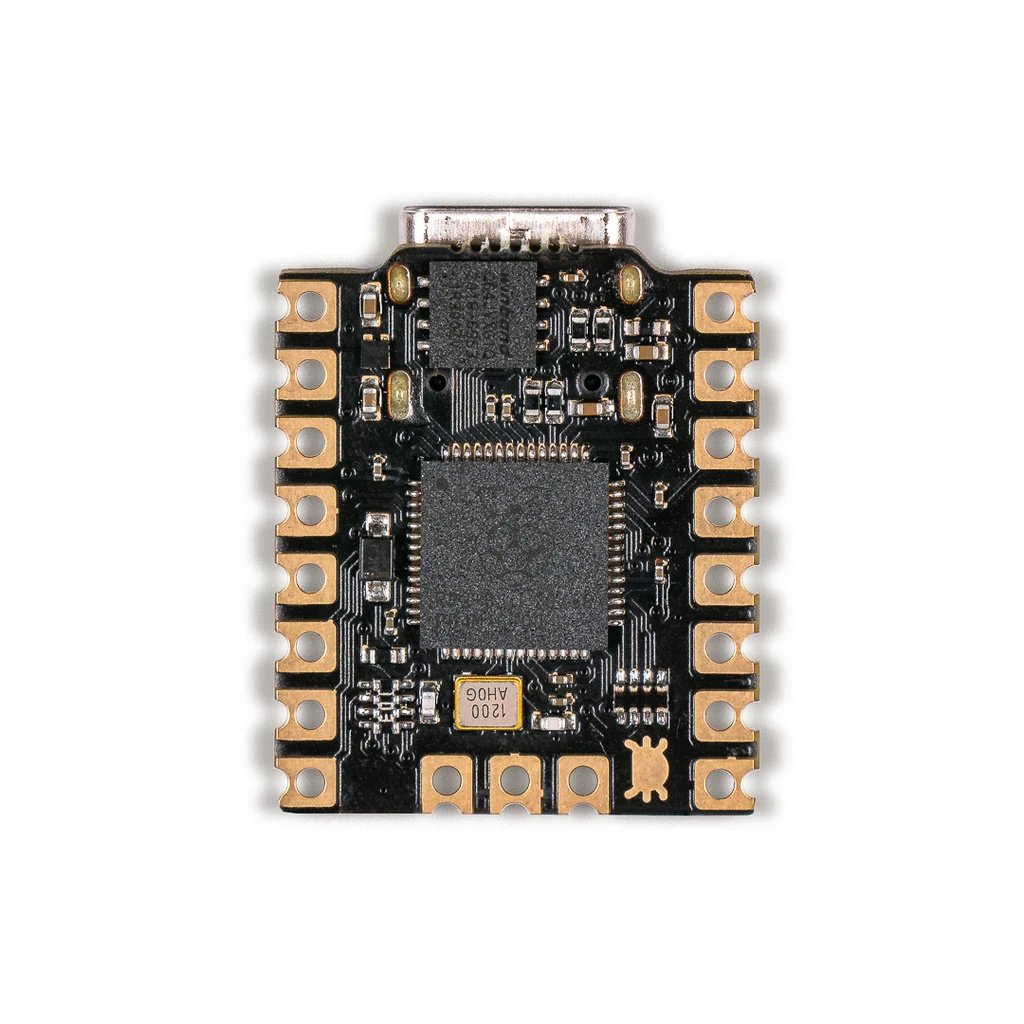
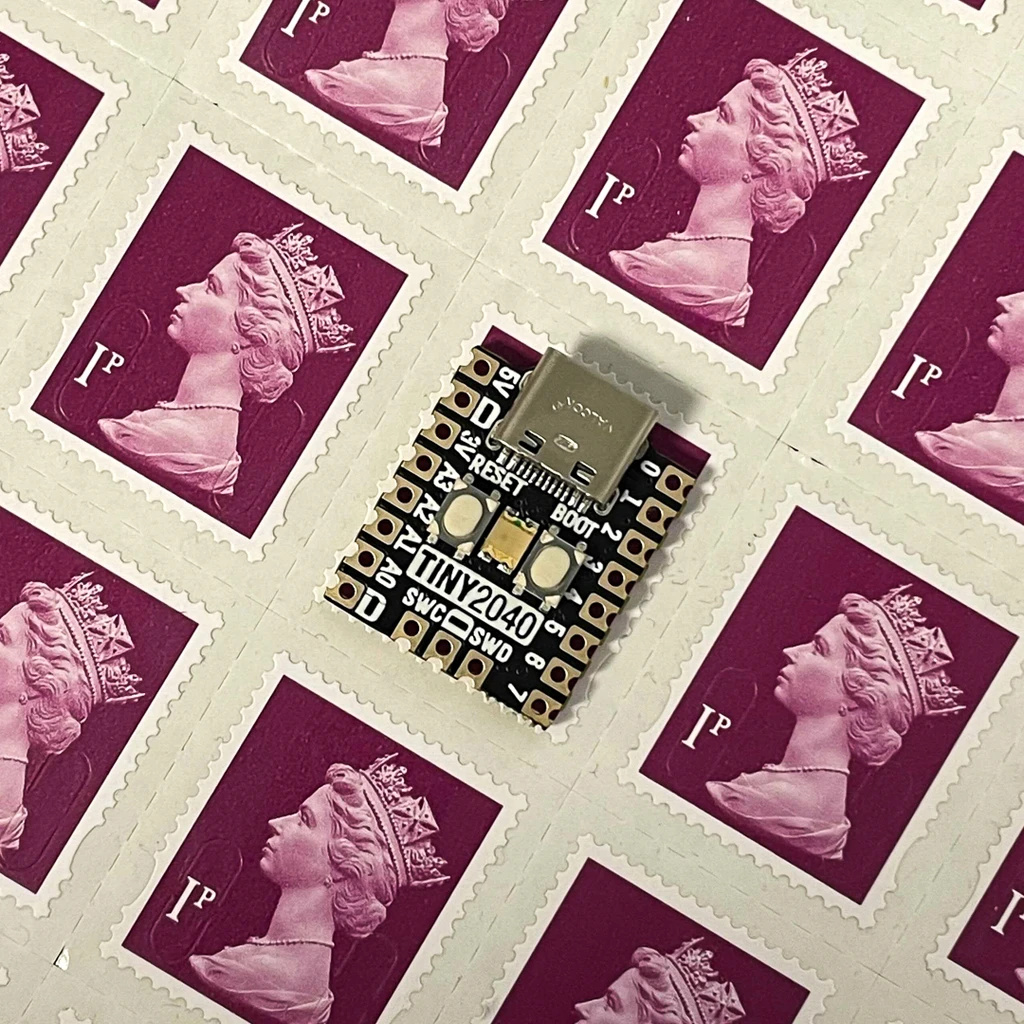
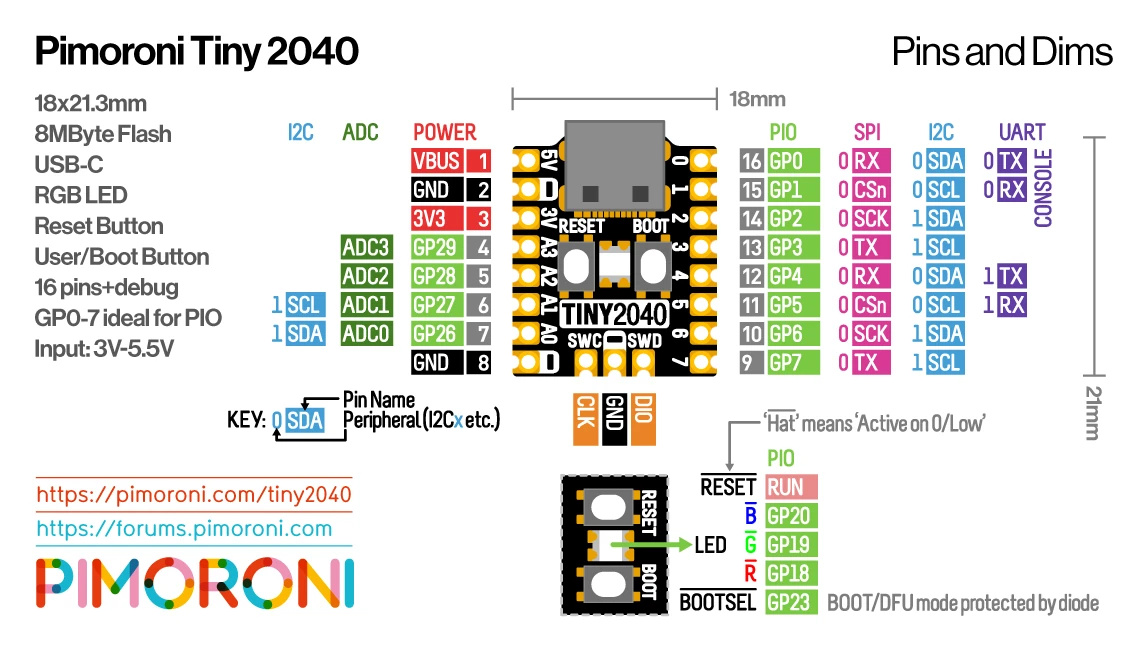
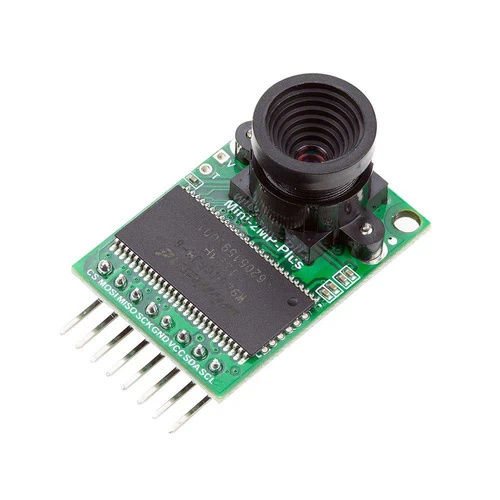
 just need to get the Amphenol mezzanine connector thing at some point to do the wake up the pi-top thing and do data transfer too